

The phone call drops like a stone in your stomach. A family member—your sister, your son, your cousin—is in crisis. They’ve lost their housing, and with children in tow, they have nowhere to sleep tonight. In that moment, your mind races, trying to solve a lifetime of problems at once.
In Phoenix, where rising costs and unexpected job loss can quickly push a family to the brink, this is a tragically common scenario. But the most powerful thing you can do is pause, take a breath, and focus on one thing: getting them through the next 24 hours. This guide is for you—the person trying to be a lifeline. At Help Now AZ, we understand that supporting families begins with empowering those who love them.
Your First Steps: Focus on Immediate Safety
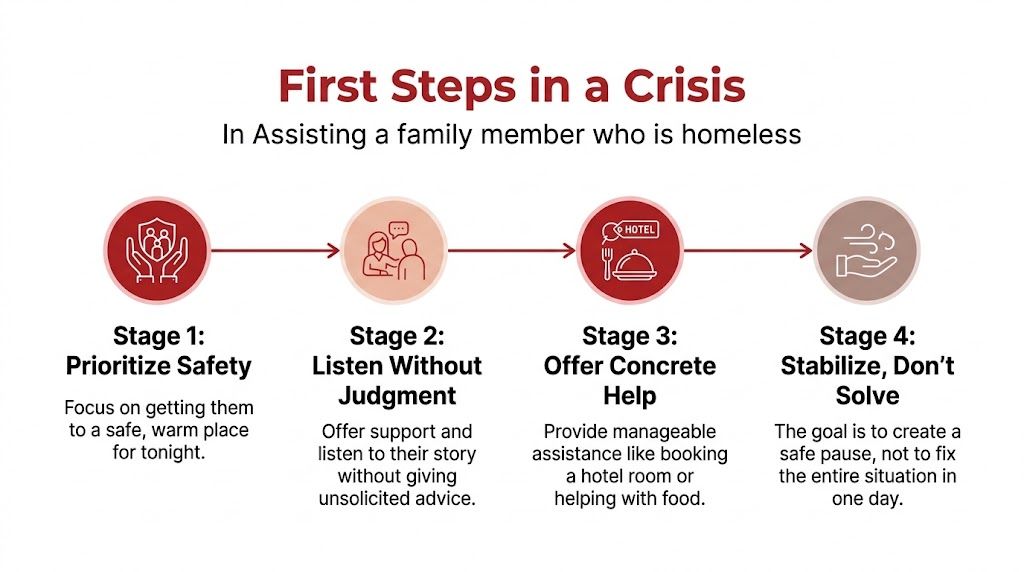
The immediate goal isn’t to fix everything. It’s to stabilize the crisis. Right now, that means focusing on safety, a warm meal, and a secure place to rest.
- Offer Concrete Help: Can you book a hotel room for a night or two? Can you bring them a hot meal? Can you drive them to a safe location?
- Listen Without Judgment: Your calm presence is a gift. Offer an ear and a shoulder, allowing them to feel heard and respected in a moment of chaos.
- Restore Dignity: These small, initial acts of support are about more than just logistics. They restore dignity and create the breathing room needed to figure out what comes next.
These small acts are a powerful first step. If substance use is one of the causes of homelessness in Phoenix, AZ your family is facing, it’s important to remember you don’t have to navigate this alone. Guides like the Zoe Behavioral Health family resources can provide invaluable support for you, the person trying to help.
Your role is to be a calm, stabilizing force, not to carry the entire weight yourself. The next steps will involve connecting your loved one with professional help, but for tonight, just being there is enough.
Connecting to Arizona’s Safety Net: The First Call to Make
When a family you love is facing homelessness, the sheer number of calls to make and systems to navigate can feel overwhelming. Your most powerful role is to be a connector—linking them to the professionals and resources specifically designed to help families in Arizona.
For families with children in Maricopa County, the entire system is streamlined through a single “front door” called the Family Housing Hub. Think of it as the central nervous system for homeless services—it assesses a family’s specific needs and directs them to the right emergency housing and support programs.
Here’s how you can help them make that first connection:
- Dial 2-1-1: This is the main information line for social services in Arizona.
- Call the Hub Directly: You can also reach the Family Housing Hub at (602) 595-8700.
When your family member calls, a specialist will walk them through an intake assessment. This conversation is what officially gets them on the community’s priority list for shelter and housing. Be prepared to answer questions about their current situation, the number of people in their family, and any immediate safety concerns.
An important tip: Phone lines get incredibly busy. Be persistent and keep calling. This one phone call is the official starting point for nearly all housing assistance for families in the county.
Getting Prepared for the Call
While you should never let missing documents stop you from calling, having a few things handy can speed things up. The reality is, many families lose access to important papers during a crisis, and the staff know this. They can help with the process of replacing them.
If possible, try to gather:
- Photo IDs for any adults
- Birth certificates for the children
- Social Security cards for everyone in the family
If these are lost or unavailable, don’t worry. The intake specialist will provide guidance on the next steps. Your job here is to be their advocate. Help them make the call, take notes, and offer encouragement when they feel exhausted.
Arizona Crisis and Shelter Resource Guide
To help you get a clearer picture of the landscape, here is a quick guide to key services available for families in the Phoenix Metro area.
| Service Type | Primary Contact/Action | What They Provide |
|---|---|---|
| Coordinated Entry | Call the Family Housing Hub at (602) 595-8700 or 2-1-1. | Assessment, shelter placement, and referrals to housing programs for families with children. |
| Emergency Shelter | Placement is typically handled through the Family Housing Hub. | Temporary, safe housing for families while they work toward a more stable solution. |
| Eviction Prevention | Explore options for emergency rent assistance. | Financial aid to help families at immediate risk of losing their housing, often preventing homelessness before it starts. |
| Basic Needs | Contact 2-1-1 or local food banks and community centers. | Referrals for food boxes, clothing, hygiene supplies, and other immediate necessities. |
Keeping Kids in School: Why It’s Your Top Priority
When a family is in crisis, a child’s world is turned upside down. The one place that can offer a sense of normalcy, safety, and routine is their school. For a kid facing homelessness, seeing their friends, teachers, and having a predictable schedule can be a powerful anchor in a sea of chaos.
This is one of the most critical ways you can step in and help.
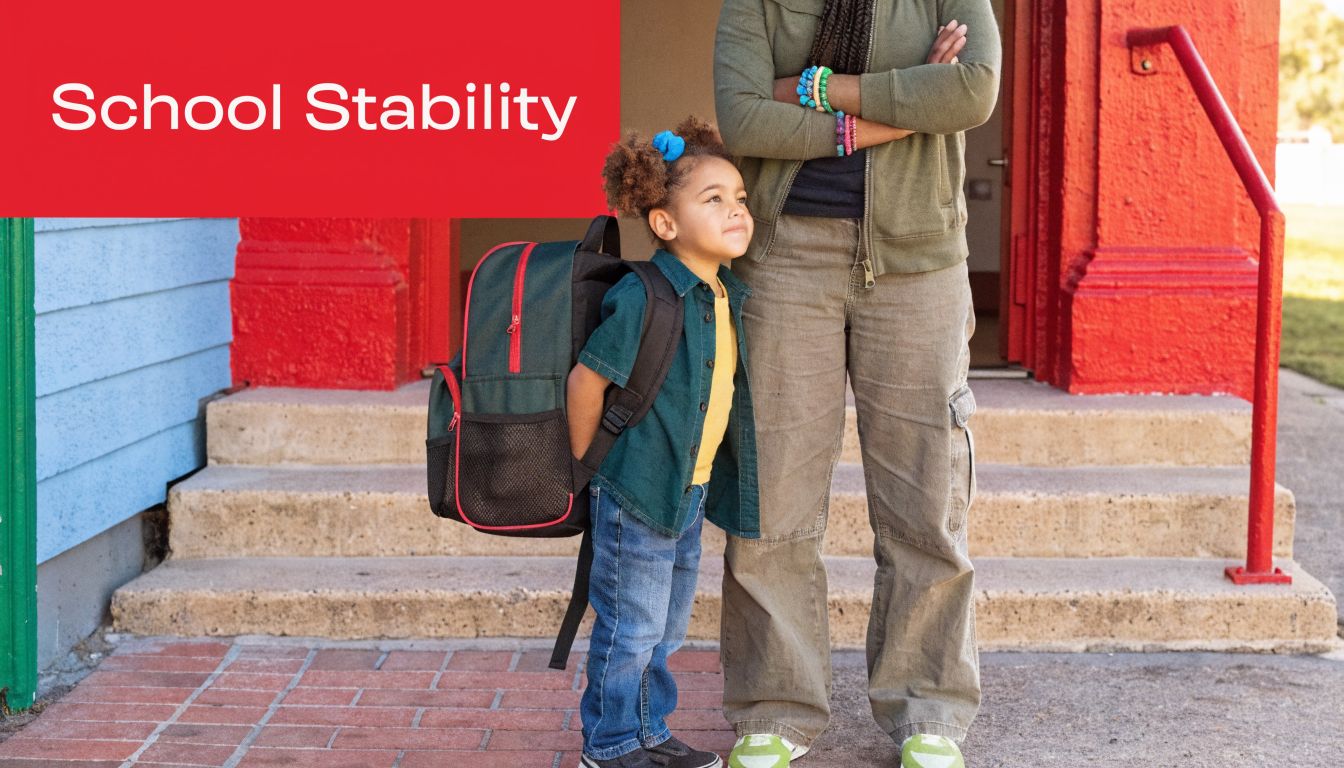
Thankfully, a powerful federal law called the McKinney-Vento Homeless Assistance Act is your most important tool for advocating for the children in your family.
What Is the McKinney-Vento Act?
This law cuts through the red tape to make sure children experiencing homelessness can get and stay in school without disruption. Every single school district has a designated McKinney-Vento liaison—a staff member whose entire job is to help these students.
Here’s what the act guarantees:
- Staying Put: Children have the right to stay at their “school of origin”—the school they attended before losing housing—even if the family is now staying in a shelter or with relatives in another district.
- Enrolling Immediately: They can enroll in a new school right away. Schools cannot require documents like proof of residency or immunization records to delay enrollment.
- Getting to School: The school district is required to provide transportation to and from their school of origin, as long as it’s feasible.
Practical Ways You Can Advocate for Them
Your help here can be incredibly simple but have a huge impact. Offer to help your family member find the name of the school’s McKinney-Vento liaison (it’s usually on the district website) or help them draft a quick email. It can be as straightforward as: “We are currently experiencing housing instability and need to access our rights under the McKinney-Vento Act.”
That one sentence can unlock a world of support. It often leads to immediate enrollment, free school meals, waived fees, and referrals to other community resources. At Help Now AZ, we see firsthand how vital school is. It’s why our school-centered programs focus on providing kids with the food and supplies they need to walk into that classroom feeling confident and ready to learn.
Navigating Benefits and Long-Term Housing
Once the immediate crisis is stabilized, your role will naturally shift from crisis manager to supportive guide. The goal now is to connect your family member with resources that build a foundation for lasting stability.
In Arizona, a huge first step is applying for state benefits. The Health-e-Arizona PLUS portal is the main online hub for SNAP (food assistance) and AHCCCS (Arizona’s Medicaid program). Something as simple as offering a laptop, a quiet room to focus, or just being there for moral support can make all the difference during this process.
Overcoming the Paperwork Hurdle
One of the biggest roadblocks families face is missing documents. It’s nearly impossible to hang onto birth certificates, Social Security cards, and IDs when you don’t have a home. Helping your loved one track down or replace these documents is one of the most practical and impactful things you can do.
With benefits in motion, you can start looking at long-term housing solutions. These are usually accessed through the same coordinated entry system you used for emergency shelter, providing both financial help and case management. As you explore the importance of stable housing for children, it becomes crystal clear why this step is so critical for their well-being.
If substance use has been a factor, specialized housing might be the most supportive option. A structured sober living home can provide accountability and community for long-term recovery. Checking out resources like these Altura Recovery insights on local sober living can give you a better feel for what’s available. The key is finding a solution that supports their whole person—not just putting a roof over their head.
You Have To Take Care Of Yourself, Too
Watching a loved one experience the trauma of homelessness is gut-wrenching. Your support is a lifeline, but you can only be that steady presence if you protect your own emotional and mental health.
How To Set Boundaries That Protect You Both
Burnout is a real danger when you become the main support system for someone in crisis. Setting healthy, compassionate boundaries is not selfish—it’s necessary for you to be able to help for the long haul.
- Be clear about what you can give. Know your limits. Can you offer a ride twice a week? Be honest with yourself and then communicate that kindly but firmly.
- Remember you’re not their therapist. You can be a shoulder to cry on, but you can’t carry the full weight of their mental health. Gently guide them toward professional mental health services.
- Protect your own peace. Schedule time to disconnect and recharge. Taking care of yourself is non-negotiable.
You are their supporter, not their savior. Your well-being is the foundation of the help you can offer.
Even when things feel desperate, your words matter. You can find some helpful ideas in this guide on encouraging words for ICE detainees, as the principles of offering support are universal. To understand this better, we highly recommend reading up on what trauma-informed care is and how you can apply its principles in your conversations.
Frequently Asked Questions (FAQ)
What is the very first thing I should do if a family member becomes homeless?
Focus on immediate safety. Help them secure a safe place to sleep for the night, like a hotel room, and get a warm meal. Your calm, non-judgmental support during the initial crisis is the most important first step before tackling longer-term solutions.
How do I give my family member money without enabling bad habits?
Instead of giving cash, offer to pay for specific needs directly. You can pay for a hotel, buy a grocery store gift card, fill up their gas tank, or cover a phone bill online. This ensures your support goes toward stability while maintaining healthy boundaries.
What if my family member refuses my help?
You cannot force someone to accept help. The best you can do is keep the door open, letting them know you love them and will be there when they are ready. Continue offering small, consistent acts of kindness, like a meal or a bottle of water, to build trust. Their refusal often comes from a place of fear or shame, not a rejection of you.
Where can families with children find emergency shelter in Phoenix?
In Maricopa County, the first step is to call the Family Housing Hub at (602) 595-8700 or dial 2-1-1. This is the central intake and coordinated entry point for almost all family shelter and housing services, ensuring families are directed to the most appropriate resource for their situation.
If you or someone you know needs help—or if you’d like to support homeless children and families in Arizona—contact Help Now AZ. Call 602-341-3822, email [email protected], or visit helpnowaz.org to learn more, volunteer, or make a donation.