

Imagine a child trying to focus on their math homework, but their stomach is empty and they aren’t sure where their family will sleep tonight. This isn’t a distant problem; it’s the daily reality for thousands of children across Maricopa County. The quiet struggle of family homelessness often happens behind the scenes, impacting everything from a child’s brain development and emotional well-being to their ability to succeed in school. The compounding pressures of economic instability and the rising cost of housing mean that more families are one unexpected crisis away from losing everything. For these children, instability is more than a temporary challenge; it’s a barrier to a healthy, promising future.
At Help Now AZ, we see the faces behind these systemic challenges and understand that stability is the foundation of hope. True community support moves beyond awareness and translates into meaningful action. This article cuts through the noise to provide a clear, actionable roadmap for anyone looking for ways to give back to your community. Whether you are an individual wanting to volunteer, a business seeking meaningful team engagement, or a donor aiming to make a tax-smart impact, these solutions offer a direct path to support children and families in Phoenix.
We will explore 10 powerful and practical strategies, from participating in school-based support programs to leveraging the Arizona Charitable Tax Credit. Each item offers tangible ways to restore dignity, provide critical resources, and help build a stronger, more compassionate Arizona. Your contribution, no matter the size, can create the stability a child needs to thrive.
1. School-Based Intervention Programs
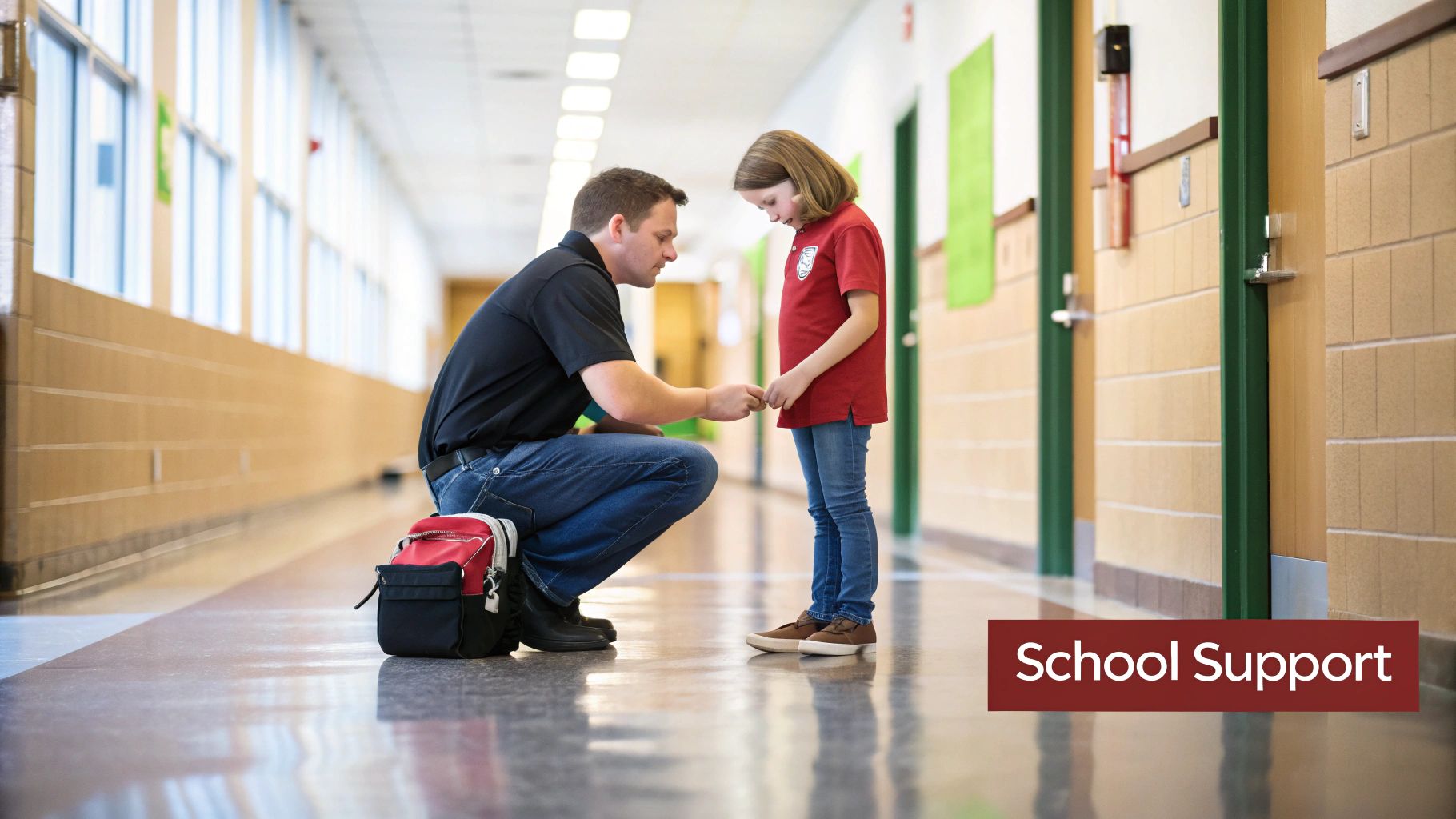
One of the most effective ways to give back to your community involves supporting children directly where they spend most of their day: at school. School-based intervention programs are designed to provide targeted support to students experiencing housing instability by embedding resources directly within the educational system. This approach removes transportation barriers and reduces stigma, ensuring children receive consistent, discreet help from trusted adults like teachers and counselors. By meeting kids where they are, these programs address immediate needs like hunger and hygiene while fostering a stable and supportive learning environment.
Why This Approach Works
School-based support is a powerful way to give back because it creates a reliable safety net for vulnerable children. Programs like Help Now AZ’s daily H.E.L.P. Snackz initiative in Phoenix-area schools ensure that students have access to nutritious food, which is critical for concentration and academic success. This model is celebrated by organizations like the National Association for the Education of Homeless Children and Youth (NAEHCY) for its efficiency and direct impact on children’s well-being and school performance.
How You Can Help
Supporting a school-based program is a tangible way to help homeless children in Arizona. Here are a few actionable steps:
- Connect with School Liaisons: Start by contacting the school’s McKinney-Vento liaison. This individual is the designated point person for coordinating services for students experiencing homelessness and can identify the most pressing needs.
- Understand Privacy Rules: Familiarize yourself with the Family Educational Rights and Privacy Act (FERPA) to ensure all support is provided without violating student confidentiality.
- Coordinate with Staff: Work closely with teachers and school counselors. They are on the front lines and can help integrate support seamlessly into the school day.
- Build a Sustainable System: Partner with nonprofits like Help Now AZ to create a reliable supply chain for items like food or hygiene kits. Consistency is key to building trust.
2. Adopt A Family Programs
Another deeply personal way to give back to your community is through an Adopt A Family program. This approach creates a direct connection between a donor or volunteer group and a family facing a crisis like homelessness. Instead of providing general donations, you are matched with a specific family to provide personalized support, often during the holidays but increasingly throughout the year. This model preserves dignity by honoring the unique needs of each family, turning charitable giving into a meaningful, relational exchange.
Why This Approach Works
Adopt A Family programs are impactful because they humanize the experience of giving and receiving aid. They address specific, immediate needs—from winter coats in the right sizes to a child’s most wished-for holiday toy—in a way that generic drives cannot. In Arizona, Help Now AZ’s holiday matching program ensures families in crisis can still create positive memories, reducing stress and fostering a sense of normalcy and hope. This direct support shows families that their community sees and cares for them as individuals.
How You Can Help
Participating in an Adopt A Family initiative requires thoughtfulness and clear organization. Here are several steps to make your involvement successful:
- Work with a Trusted Nonprofit: Partner with an organization that can provide anonymous family profiles, including children’s ages, clothing sizes, and specific needs or wishes.
- Establish Clear Guidelines: Follow the nonprofit’s guidelines regarding gift types, spending ranges, and wrapping instructions. This promotes equity and manages expectations for both donors and recipients.
- Practice Trauma-Informed Giving: Remember that families may be experiencing significant stress. Focus on providing support without judgment, respecting their privacy and dignity.
- Coordinate Logistics: Arrange a clear, confidential system for dropping off and distributing gifts. This protects the privacy of recipient families and streamlines the process. To see how a local program is structured, you can learn more about HELP Now AZ’s family adoption process.
3. Corporate Team Volunteer Events
Mobilizing your workplace is a powerful way to give back to your community, and corporate team volunteer events offer a structured, high-impact approach. These opportunities allow businesses to contribute coordinated labor and resources to nonprofits, turning a day of service into a meaningful team-building experience. By dedicating a few hours, corporate teams can pack hygiene kits, sort donations, or assemble resource bags that directly support homeless children and families in Arizona.
Why This Approach Works
Corporate volunteering is effective because it leverages the power of numbers to accomplish tasks that would be daunting for individual volunteers. For instance, Help Now AZ’s warehouse packing events enable corporate groups to assemble hundreds of hygiene or snack packs in a single session, directly fueling programs like our Project R.E.A.C.H. van. These events also boost employee morale, strengthen team dynamics, and create a visible, positive brand presence in the community.
How You Can Help
Organizing a successful corporate volunteer event is about clear communication and strategic planning. Here’s how your company can get started:
- Schedule in Advance: Contact the nonprofit well ahead of time to coordinate a date and confirm your team’s size. This helps the organization prepare materials and staff.
- Create Diverse Roles: Work with the nonprofit to establish multiple tasks to accommodate different physical abilities and skill sets, ensuring everyone can participate.
- Share the Impact: Capture before-and-after photos and share stories or statistics about what the team accomplished. This reinforces the value of their contribution.
- Follow Up with Gratitude: Recognize the team’s effort to encourage future engagement and build a lasting community partnership.
4. Donation Drives and Collection Campaigns
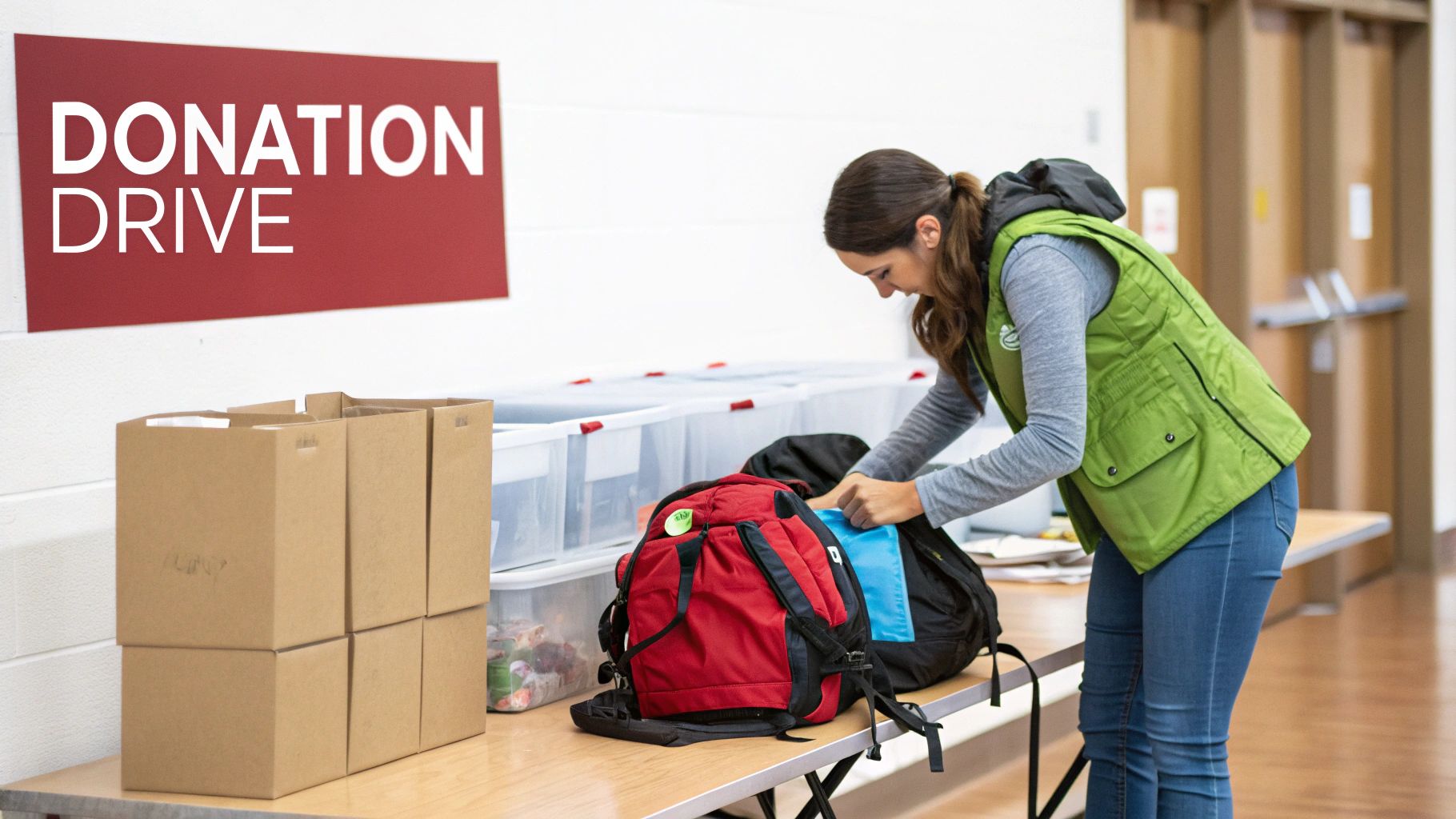
Organizing a donation drive is one of the most direct and tangible ways to give back to your community by mobilizing collective action to meet immediate needs. These campaigns rally individuals, businesses, and groups to contribute essential items for children and families experiencing homelessness. Whether it’s a seasonal toy drive or a back-to-school supply campaign, this approach transforms community generosity into critical resources that provide comfort, support, and dignity.
Why This Approach Works
Donation drives are powerful because they provide a focused and low-barrier entry point for community involvement. They allow people who may not have time to volunteer to contribute meaningfully. Successful examples include Help Now AZ’s Back to School Tools drive each year, which equips students with the supplies they need for a successful academic year. These initiatives work by clearly defining a need and providing a simple, actionable solution that yields immediate, visible results for family homelessness in Phoenix.
How You Can Help
A successful collection campaign requires careful planning and clear communication. Here are the key steps to organize an effective drive:
- Create a Specific Needs List: Partner with a nonprofit to identify high-priority items. Be specific about types and quantities to ensure donations are useful.
- Establish Strategic Collection Points: Select 3-4 high-traffic, accessible locations for drop-offs, such as local businesses, community centers, or places of worship.
- Promote Your Campaign: Launch promotional efforts 4-6 weeks in advance using social media, local news outlets, and community newsletters to build momentum.
- Plan Logistics: Arrange for volunteers to sort, pack, and deliver the collected items. A well-organized system ensures resources get to those in need efficiently.
- Share the Impact: Follow up with participants by sharing photos and stories of how their contributions made a difference. Beyond organizing specific drives, individuals can also make a direct donation to organizations committed to community improvement.
5. Individual Volunteering and Mentorship
One of the most profound ways to give back to your community is by offering your time and consistent support through individual volunteering and mentorship. This approach moves beyond one-time events to create stable, trusting relationships with children and adults navigating the challenges of homelessness. By providing dedicated one-on-one guidance, whether through tutoring or simply being a reliable presence, mentors offer the personalized support that can help break cycles of trauma and instability.
Why This Approach Works
Individual mentorship creates a powerful, lasting impact by addressing not just immediate needs but also the deep-seated need for connection and self-worth. For a child experiencing the trauma of housing instability, a consistent mentor can be a critical source of stability and hope. This focused attention from a caring adult provides tailored support that group settings cannot always offer, which is vital for healthy child brain development and emotional regulation.
How You Can Help
Becoming a mentor is a significant commitment that requires structure and a thoughtful approach. Here are key steps to make your involvement effective and sustainable:
- Partner with Established Programs: Connect with reputable organizations that have a proven mentorship framework. They handle background checks, matching, and provide essential training.
- Understand Your Role: Your primary role is to be a consistent, positive influence. Focus on building trust through active listening rather than trying to “fix” problems.
- Commit to Consistency: The foundation of mentorship is reliability. Showing up consistently is one of the most important things you can do for a child experiencing instability.
- Receive Trauma-Informed Training: Insist on training that helps you understand the effects of trauma on behavior and development. This is crucial for interacting with empathy and patience.
6. Arizona Charitable Tax Credit Giving
One of the most impactful financial ways to give back to your community is by leveraging the Arizona Charitable Tax Credit. This program allows Arizona taxpayers to make a contribution to a Qualifying Charitable Organization (QCO) and receive a dollar-for-dollar credit against their state tax liability. Unlike a deduction, a credit directly reduces the amount of tax you owe, essentially allowing you to redirect your tax dollars to a local nonprofit you care about at no additional cost to you.
Why This Approach Works
The Arizona Charitable Tax Credit is a strategic way to give back because it creates a powerful incentive for residents to support local causes. It transforms a tax obligation into a direct community investment, funding critical homelessness services in the Phoenix metro area. For organizations like Help Now AZ (QCO Code: 20944), which supports homeless children and families, this system provides a stable funding stream to sustain essential programs.
How You Can Help
Maximizing your impact through this Arizona charitable tax credit nonprofit program is straightforward. Here are the steps to take:
- Verify QCO Status: Ensure the nonprofit you want to support is a Qualifying Charitable Organization. You can check the official list on the Arizona Department of Revenue’s website.
- Know the Limits: Understand the maximum credit amounts, which are updated annually. For 2023, the limits are $421 for individuals and $841 for those filing jointly.
- Keep Your Receipt: Retain the donation receipt from the organization for your tax records. You will need this to claim the credit when you file your state taxes using Form 321.
- Consult a Professional: Speak with a tax advisor to understand how the credit applies to your specific financial situation.
- Donate Before the Deadline: Contributions must be made by April 15th of the following year to be claimed on the current year’s tax return. To learn more, explore the Arizona Charitable Tax Credit Giving program on helpnowaz.org.
7. Food Security and Nutrition Programs
Addressing food insecurity is one of the most fundamental ways to give back to your community, as consistent nutrition is the bedrock of health, learning, and stability. Coordinated food security programs ensure that children and families experiencing homelessness have reliable access to nutritious meals and snacks. This approach moves beyond a single meal, focusing instead on creating a dependable support system that addresses both immediate hunger and long-term wellness needs, directly impacting a child’s ability to thrive.

Why This Approach Works
Food security programs are incredibly effective because they meet a primary survival need, allowing individuals to focus on other critical areas like education, employment, and finding stable housing. In Maricopa County, Help Now AZ’s H.E.L.P. Snackz program delivers daily nutritional support to schools, battling child hunger directly. For instance, learning about specific initiatives such as child nutrition programs can highlight the nationwide importance of these efforts. These models work because they are consistent, accessible, and designed to preserve dignity.
How You Can Help
Supporting food security in your community can be done through direct action and strategic partnerships. Here are a few ways to get started:
- Partner with Established Programs: Connect with organizations that have existing distribution networks. This ensures your contributions of food or funds are used efficiently.
- Prioritize Nutrition and Dignity: Focus on providing shelf-stable, non-perishable items that are easy to prepare. Include a variety of culturally appropriate foods and hydration options.
- Build a Sustainable Supply Chain: Forge relationships with local grocery stores, farms, or food banks to create a reliable source of donations. Consistency is crucial for families.
- Offer Trauma-Informed Distribution: If volunteering, work with staff to learn how to offer food in a way that is respectful and non-stigmatizing. A compassionate approach makes a significant difference.
- Support Holistic Family Needs: Recognize that food is just one piece of the puzzle. You can learn more about how comprehensive support helps families by exploring food security and nutrition programs.
8. Life Skills and Youth Development Programs
Giving back to your community can mean equipping its youngest members with the tools they need for a stable future. Life skills and youth development programs are designed to teach children and teens practical abilities that build self-sufficiency, resilience, and confidence. This approach moves beyond immediate aid to address the root causes of cyclical poverty, offering education in areas like financial literacy, job readiness, and emotional regulation. By investing in these foundational skills, you help youth experiencing instability build a pathway to long-term success.
Why This Approach Works
Teaching life skills is a powerful way to give back because it empowers individuals to create their own stability. These programs are effective because they offer structured, supportive environments where young people can learn, practice, and master essential competencies. This long-term investment helps close opportunity gaps and improve outcomes for vulnerable youth.
How You Can Help
You can contribute to youth development by volunteering your time, sharing your professional expertise, or providing resources to existing programs. Here are a few ways to get involved:
- Volunteer as an Instructor: Contact local community centers to lead workshops on budgeting, resume writing, or interviewing skills.
- Offer Professional Expertise: Host job-shadowing opportunities or mock interviews for teens preparing to enter the workforce.
- Support Career Readiness: Donate professional attire to organizations that help individuals prepare for job interviews.
- Sponsor a Program: Provide financial support to help a local nonprofit launch or sustain a life skills curriculum. Your contribution can cover materials or transportation for participants.
9. Advocacy and Community Partnerships
While direct service is crucial, another powerful way to give back to your community involves shaping the systems that affect vulnerable populations. Advocacy and community partnerships focus on addressing the root causes of homelessness, such as the lack of affordable housing and economic instability. This approach combines grassroots efforts to influence local and state policies with collaborative networks of nonprofits, schools, businesses, and government agencies to coordinate services and amplify impact.
Why This Approach Works
Systemic change creates a ripple effect that benefits the entire community. In Maricopa County, Help Now AZ’s partnerships with schools and local businesses demonstrate how a coordinated network can meet student needs more efficiently. This collective impact model ensures that resources are not duplicated and that services are comprehensive, addressing everything from food insecurity to the need for safe housing and preventing family homelessness in Phoenix.
How You Can Help
Engaging in advocacy and partnership-building can seem daunting, but your voice and support are essential. Here’s how you can get started:
- Know Your Legislators: Identify your local and state representatives and learn their positions on issues related to housing, education, and social services.
- Build a Coalition: Join forces with like-minded organizations and community groups. A unified voice is more powerful.
- Use Stories and Data: Collect personal stories and hard data to illustrate the human impact of policy decisions. This combination is compelling for persuading lawmakers.
- Start with Shared Goals: When forming partnerships, begin by establishing a clear, shared vision to ensure everyone is aligned.
10. Emergency Financial Assistance Programs
One of the most direct ways to give back to your community is by supporting programs that prevent homelessness before it starts. Emergency financial assistance provides a critical lifeline to families on the brink of crisis, offering immediate cash aid to cover essential expenses like back rent, utility bills, or a security deposit. This intervention is designed to address the root financial shock that can push a household into instability, providing rapid, targeted support that keeps families in their homes.
Why This Approach Works
Emergency financial assistance is a proven strategy for preventing the trauma and high costs associated with homelessness. By resolving a short-term crisis, these programs produce long-term stability. This model is a cost-effective, dignified, and compassionate way to keep families housed, reducing the strain on the broader homelessness response system and preventing the devastating impact of eviction on children.
How You Can Help
Supporting an emergency fund involves careful planning to ensure funds are distributed effectively and equitably. Here are actionable steps:
- Partner with Established Agencies: Connect with local nonprofits like Help Now AZ that have existing frameworks for vetting applicants and distributing aid. This ensures your contribution reaches those most in need.
- Establish Clear Criteria: Support partners who use clear, fair eligibility requirements. This helps manage resources and ensures aid is directed to households facing imminent risk.
- Pair Funds with Case Management: The most effective programs combine financial aid with support services like budgeting or job resources to build long-term financial stability.
- Track Outcomes: Support organizations that measure the impact of their financial assistance. Tracking how many families remain housed demonstrates the program’s value.
Frequently Asked Questions (FAQ)
What are the main causes of family homelessness in Phoenix?
Family homelessness in Phoenix is a systemic issue often caused by a combination of factors, including job loss, economic instability, domestic violence, and the severe lack of affordable housing. It is a situational crisis, not a personal failure, and it can impact any family facing an unexpected hardship without a strong support system.
How does homelessness affect children’s development?
Homelessness can have a profound impact on a child’s brain development, school performance, and emotional well-being. The trauma and instability can lead to challenges with learning, behavior, and forming healthy relationships. Consistent support from community programs helps create the stability children need to thrive.
Are donations to Help Now AZ tax-deductible?
Yes, Help Now AZ operates under Homeless Engagement Lift Partnership, a 501(c)(3) nonprofit organization. All financial donations are tax-deductible. Furthermore, as an Arizona Qualifying Charitable Organization (QCO #20944), your donation may qualify for the Arizona Charitable Tax Credit, a dollar-for-dollar credit on your state taxes.
How can I volunteer to help homeless families in AZ?
There are many ways to volunteer helping homeless families in AZ. You can participate in donation drives, help at packing events, or offer your skills through mentorship. The best first step is to connect with a trusted organization like Help Now AZ to find an opportunity that matches your availability and interests.
If you or someone you know needs help—or if you’d like to support homeless children and families in Arizona—contact Help Now AZ. Call 602-341-3822, email [email protected], or visit one of the pages below to learn more, volunteer, or make a donation.